PROCESS SAFETY
Understand the hazards. Examine the safeguards.
Process hazard assessments (PHAs), consequence modelling, and safeguard and critical-control assessments to support decisions about major process risks.
THE ENGINEERING QUESTION
A scope built around
your decision.
A hazard study is useful when its findings can be followed through into engineering and operating decisions.
Alexergy supports structured assessment of what could go wrong, how it could affect people and assets, and which safeguards need further attention.
HOW WE CAN HELP
Process Safety capabilities
HAZOP & HAZID facilitation
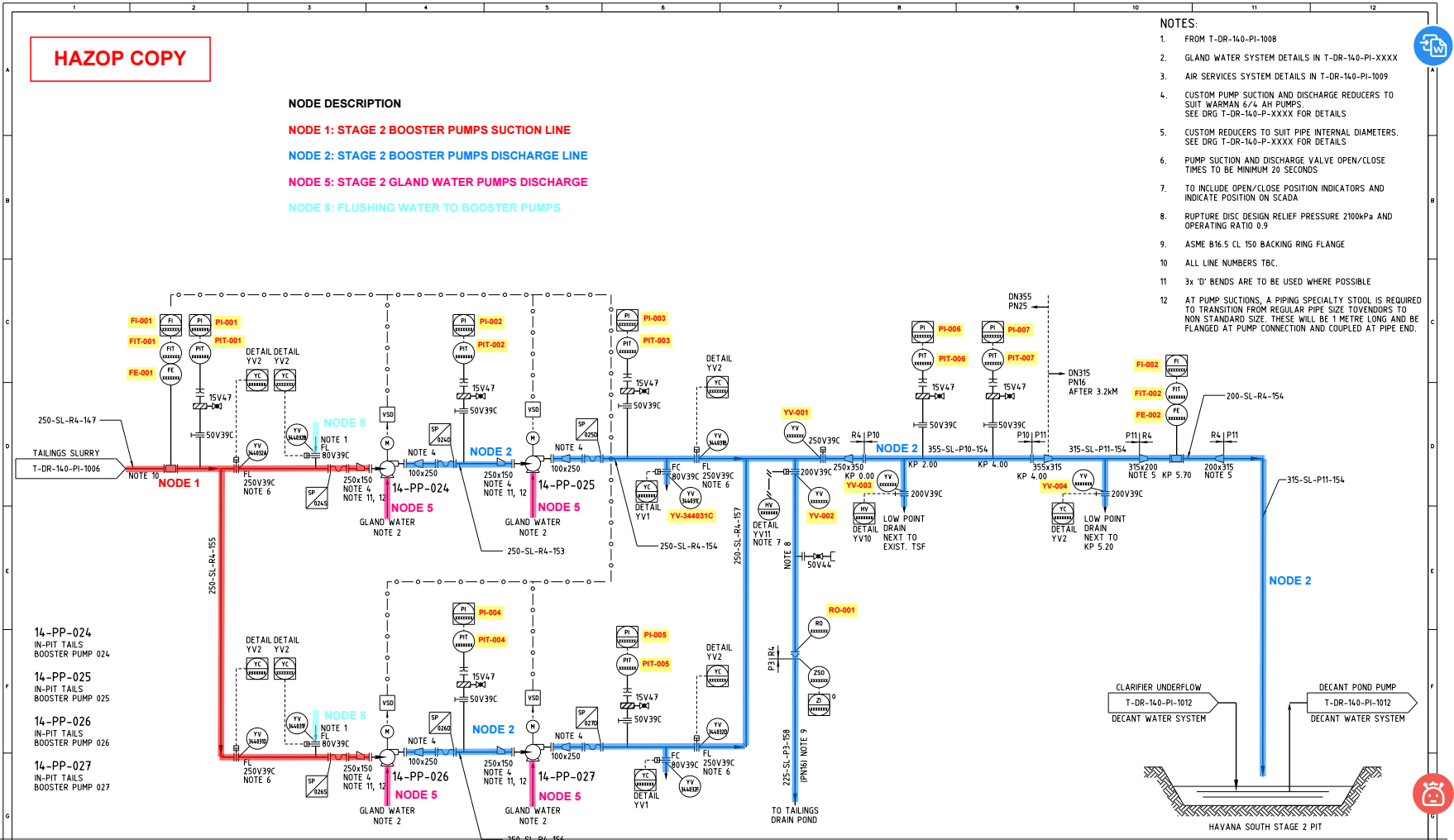
New designs, plant modifications and changes in operating conditions can introduce hazards that are not always apparent from individual engineering documents.
Alexergy facilitates PHA workshops, including HAZOP and HAZID, with the people who design, operate and maintain the plant. Scenarios, causes, consequences, safeguards and actions are documented to support design decisions and provide a clear record for follow-up.
LOPA & SIL determination
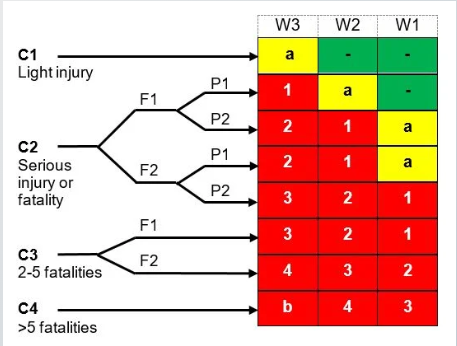
Some hazard scenarios require a more detailed assessment of whether the available protection is sufficient.
We facilitate and support LOPA and SIL determination studies by examining initiating events, consequences, claimed protection layers and the assumptions behind them. The assessment provides a structured basis for determining whether additional risk reduction is required and what function it needs to perform.
Consequence modelling
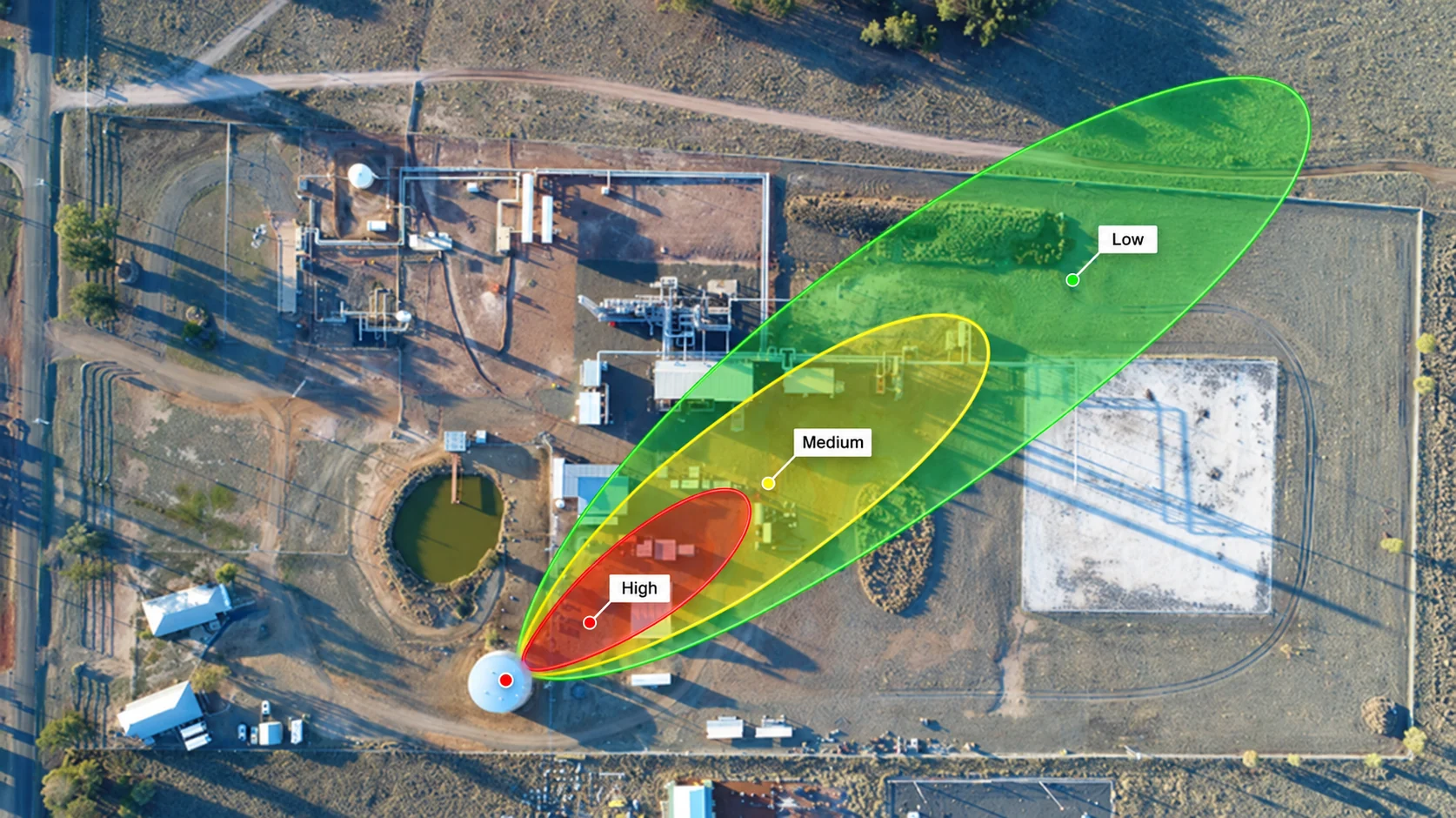
Understanding the potential effects of a release helps inform facility design, emergency planning and decisions about risk reduction.
We model selected release scenarios using defined inventories, operating conditions and release assumptions. The results and modelling limitations are documented so effect distances and other findings can be interpreted in the context of the scenario assessed.
Bow-tie & critical-control reviews
Managing a major process hazard depends on knowing which controls prevent a loss of control and which limit its consequences.
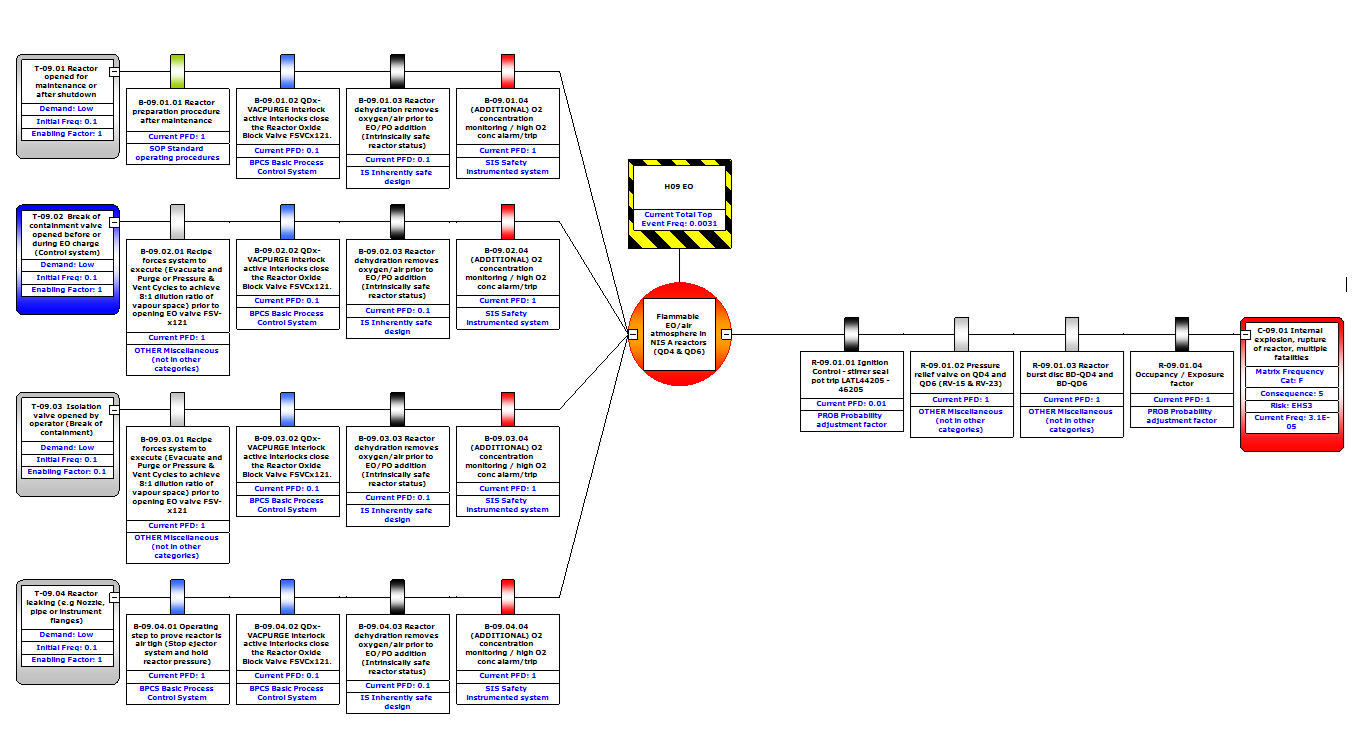
Alexergy uses bow-tie analysis to connect threats, the defined loss-of-control event, potential consequences and the associated preventive and mitigative controls. Critical-control reviews then examine each control’s intended function and the evidence needed to determine whether it is present and effective.
Hazardous area classification
Potential releases of flammable material can influence equipment selection, layout and ignition-source control.
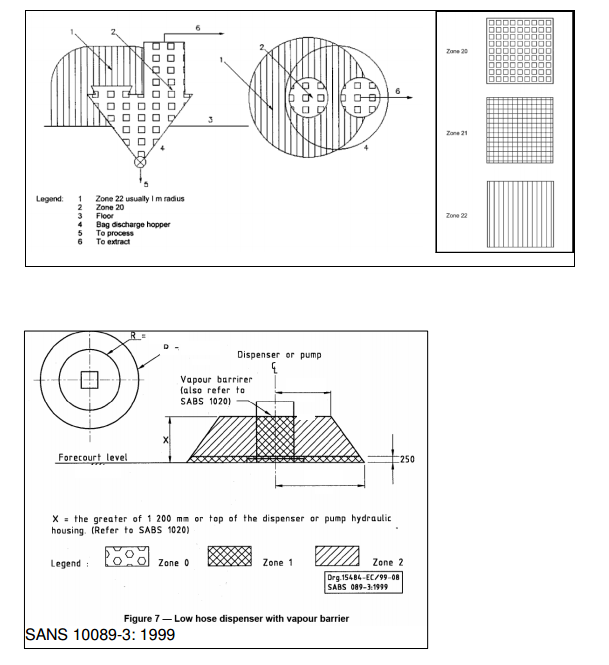
We conduct hazardous area classification (HAC) by assessing credible release sources and the conditions that affect the extent and duration of hazardous zones. The assessment basis and required engineering interfaces are recorded to support electrical, mechanical and layout decisions.
Safety case and assurance support
Safety cases and assurance reviews need to demonstrate how major hazards are understood and controlled, not simply compile separate study outputs.
Alexergy connects identified hazards, assessment findings, control measures and supporting evidence into a coherent technical basis. This helps clients identify gaps, trace claims to evidence and support internal or regulatory assurance activities.
Useful starting information
- Study scope, objectives and system boundaries
- Process descriptions, PFDs and current P&IDs
- Operating and design conditions
- Previous studies, incident findings and action registers
- Relevant operations, maintenance and engineering participants
Typical deliverables
- Study records with scenarios and assumptions
- Documented safeguard assessments
- Consequence-modelling findings where in scope
- Action register and recommendations
- Technical inputs to safety cases and assurance reviews
ENGINEERING IN CONTEXT
A safeguard needs more than a name
A workshop may identify an alarm, trip or operating procedure as a safeguard. The assessment also needs to consider what it does, the conditions under which it is required, and the evidence supporting any reliability or independence claim. That distinction helps keep the study grounded in the actual plant.
COMMON QUESTIONS
Before we begin
What is the difference between HAZID and HAZOP?
HAZID identifies hazards across an agreed activity, facility or project scope. HAZOP examines deviations from defined design intent within a structured study. The appropriate approach depends on the project stage, available information and assessment objective.
Does completing a HAZOP close every process safety issue?
No. A HAZOP identifies and records issues within its scope. Actions still need assessment, ownership and close-out, and some findings may require further engineering, modelling or risk assessment.
What does a consequence-modelling result tell us?
It estimates effects for defined scenarios and assumptions. It does not, on its own, establish the likelihood of an event or demonstrate that overall risk is acceptable.
LET’S TALK
A clear next step starts with a conversation.
Tell us about your plant, project or technical challenge. We’ll help define the question and the engineering support it needs.