PROCESS ENGINEERING
Understand the process. Improve the design.
Alexergy Engineering helps you identify and resolve the process issues that affect your plant performance, capacity and operability.
From a first-of-a-kind process to brownfield modifications, we provide pragmatic engineering throughout the project and operating lifecycle. Our work includes process design and simulation, equipment sizing, hydraulic and relief studies, debottlenecking, PFD and P&ID development.
Whether your goal is to increase throughput, accommodate a feed change, reduce energy or utility consumption, improve product quality, or understand an operating constraint, we assess the process as a system, so you can understand the trade-offs before committing to a solution.
For facilities requiring continuing technical support, Alexergy can also assist with operational improvement programs, project development and site-based engineering needs.
THE ENGINEERING QUESTION
A scope built around
your decision.
A change in feed, throughput or operating conditions can affect equipment duty, hydraulic capacity and the way a whole process behaves.
Alexergy helps you establish the design basis, understand those interactions and compare practical options before committing to a change.
HOW WE CAN HELP
Process Engineering capabilities
Process design and design basis
When developing a new process or defining a proposed plant change, Alexergy establishes the feed characteristics, operating cases, product requirements and utility conditions that form the design basis. We develop heat and mass balances and process flow diagrams so assumptions are visible, design decisions are traceable and the project can progress on a clearly defined basis.
Steady-state and dynamic simulation
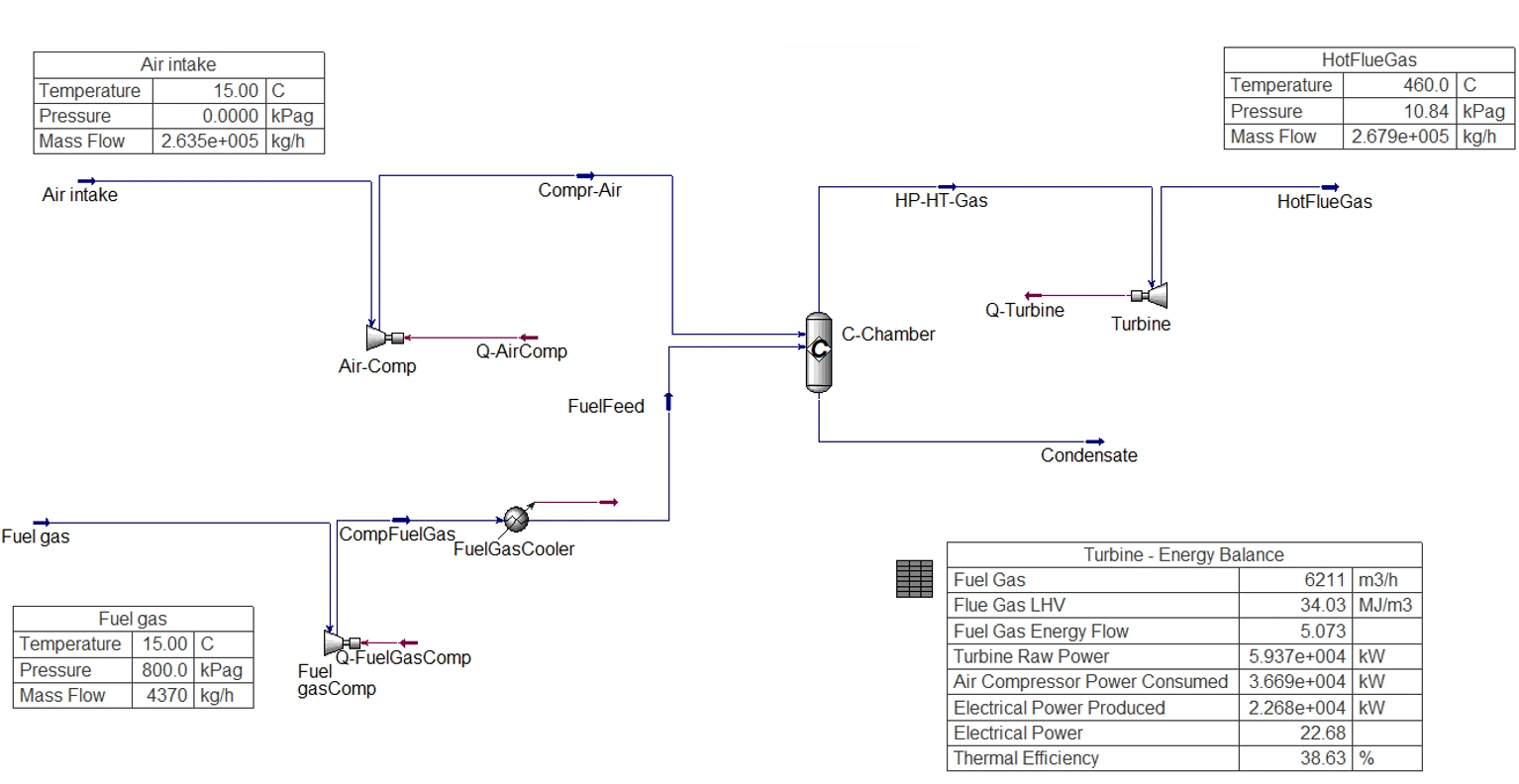
Process models can help predict performance, compare design options and explore how a plant may respond to changing conditions. We develop steady-state or dynamic simulations suited to the engineering question, check them against available plant data and document their limitations so the results can be used with appropriate confidence.
Equipment sizing and specification
New and existing equipment must be assessed against the full range of duties it may encounter. Alexergy prepares sizing calculations and process specifications covering normal operation, turndown and relevant alternative cases, providing a defined technical basis for equipment selection or evaluation.
Hydraulic and relief-system assessment
Changes in flow, pressure or operating conditions can affect both system capacity and overpressure protection. We evaluate pressure losses, available pressure and hydraulic constraints, and review applicable relief scenarios and design inputs within the agreed scope. The assessment identifies whether the proposed conditions can be accommodated and where further action may be required.
Debottlenecking and brownfield changes
Increasing throughput, changing feed or resolving an operating constraint requires an understanding of what is limiting the existing plant. Alexergy uses operating data and equipment performance assessments to locate those constraints, then compares practical modifications against existing equipment, utilities, interfaces and the operating envelope. This provides a basis for deciding which changes are technically feasible and likely to deliver value.
PFD and P&ID development and review
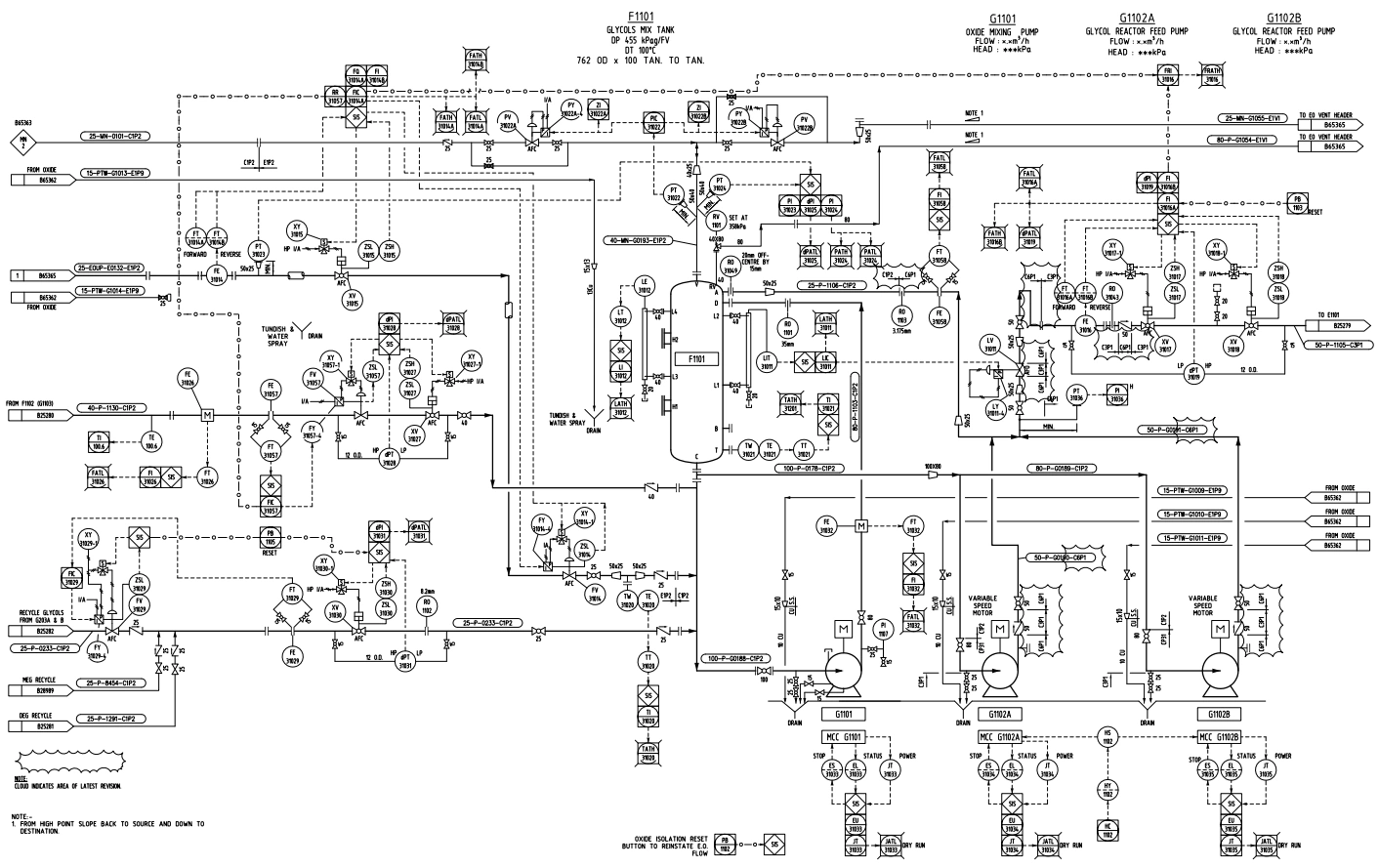
Clear process documentation is essential when developing a design, modifying an existing plant or updating the engineering record. We develop and review PFDs and P&IDs to communicate process intent, equipment interfaces, control requirements and safeguards consistently across project, operations and safety teams.
Useful starting information
- Current PFDs and P&IDs
- Feed and product information
- Equipment data sheets and design conditions
- Operating trends, flow rates and utility data
- The proposed change and the decision you need to make
Typical deliverables
- Documented design basis and assumptions
- Heat and mass balances and simulation findings
- Sizing calculations and process specifications
- Updated or marked-up process drawings
- Options assessment with constraints and next steps
ENGINEERING IN CONTEXT
Before increasing throughput
A higher production target is not just a new flow rate. Feed changes, heat-transfer duty, pressure losses and utility demand may each introduce a different constraint. A process assessment brings these checks together so the proposed operating case can be evaluated as a system.
COMMON QUESTIONS
Before we begin
What information is needed to start a process assessment?
Start with the question you need answered, current process drawings and available operating data. We identify gaps during scoping and distinguish measured data from assumptions before choosing the calculation or modelling approach.
Can you assess an existing plant with incomplete drawings?
Yes, the first step is to establish what information is reliable and what needs site verification. The assessment scope and conclusions must reflect any unresolved gaps.
When is dynamic simulation useful?
Dynamic simulation is useful when time-dependent behaviour is important, such as a start-up sequence, control response or a process disturbance.
LET’S TALK
A clear next step starts with a conversation.
Tell us about your plant, project or technical challenge. We’ll help define the question and the engineering support it needs.